Chandrayaan-3 Study Finds Strong Geochemical Match Between Lunar Soil and Historic Moon Meteorite

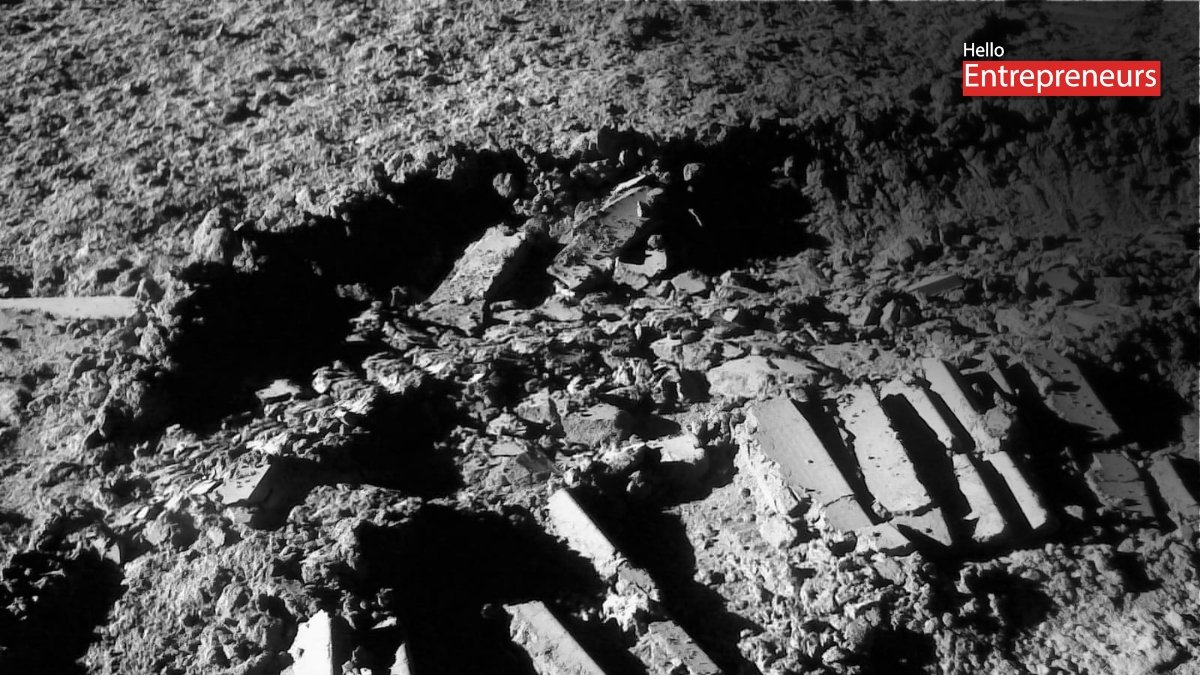
Indian researchers unveiled a fascinating new finding about the Moon’s soil. A couple of samples from the Chandrayaan-3 mission are similar to scrapings of the lunar meteorite called ALHA 81005, which was found in Antarctica in 1982. This remarkable finding links human-made findings of the Moon’s surface to the Moon parts that have come down to Earth.
They reported their results in npj Space Exploration. They used data from the Alpha Particle X-ray Spectrometer (APXS) on Pragyan, the Chandrayaan-3 rover that analyzed the Moon’s southern highland soils. Researchers at the Physical Research Laboratory, Ahmedabad, compared Pragyan data with the chemistry of 66 lunar meteorites found on Earth.
ALHA 81005 jumped out. Among all of the meteorites, it fitted its data best. Moon soil and this meteorite share a group of elements that sit somewhere between two classic Moon rock types: ferroan anorthosites and magnesium-rich (Mg-suite) rocks.
But here’s the kicker: the scientists are saying nothing about ALHA 81005 originating from the exact coordinates where Chandrayaan-3 landed. What they do say is that these magnesium-rich rocks might be present all over the lunar highlands, far more than previously believed.
What is so exciting about this part of the Moon? As the Pragyan APXS shows, this soil contains less aluminum and more iron and magnesium than typical highland samples, suggesting grains of Mg-rich rock are ubiquitous. However, very little is known as to the source of this material and how it was endued this part of the Moon.
It’s worth noting that Chandrayaan-3 is the first mission to slice through the Moon’s southern highlands so closely. It’s some kind of milestone. Actually going to the Moon and measuring the soil’s chemistry on the ground provides us with a more informative guess at what the ancient lunar crust is really composed of.
In contrast, lunar meteorites, like those on display in museums, let scientists study parts of the Moon without having to leave Earth. And by correlating what rovers discover on the Moon to what’s sitting in Antarctic ice, they can now see that these seemingly scattered meteorites are real fragments of the same surface we’re probing.
What does that all mean? The evidence is stronger now that some meteorites that landed on Earth are in fact chemical relatives of Moon rocks. And that lets us rescale a clean narrative of the Moon’s outer layers and how they’ve been evolving over timescales.
But sure: they’re still limited. APXS only samples a few square centimeters at a time and the meteorites have to be lucky enough to be in the right place to land in your backyard. So the finding that Chandrayaan-3 landed on material that is very similar to ALHA 81005 doesn’t mean the meteorite was dropped right there from the Afanas’ev latitude.
But the big picture is exciting. Using new lunar data at the same time as ancient meteorite samples, let us reconstruct a new story of how the Moon spun up. And as more and more missions happen, we will just continue to add more layers to the story of how the lunar crust formed, evolved, and acquired its chemistry.
<p>The post Chandrayaan-3 Study Finds Strong Geochemical Match Between Lunar Soil and Historic Moon Meteorite first appeared on Hello Entrepreneurs.</p>